Inverter generator runs but produces no power
The engine starts and sounds normal, but the receptacles are dead or the overload lamp lights the moment a load touches them. On an inverter generator the engine and the electricity are two separate systems — a healthy engine tells you nothing about the inverter unit that actually makes the AC. This page is about that second system: what fails inside the inverter, how to tell the inverter from the alternator, and when repair is the right call.
What's usually behind it
The inverter unit itself
The inverter rectifies the alternator output to a DC bus and switches it back into clean 60 Hz AC. Its failure modes are the ordinary ones of power electronics: aged bulk capacitors that vent or lose capacitance, rectifier diodes and switching devices that fail short or open, drive circuitry that stops commutating, and protection sensing that drifts. All of these are component-level repairs on a board that the manufacturer only sells as a complete, expensive assembly.
The alternator, not the inverter
If the alternator windings are not producing, the inverter has nothing to work with and the symptom is identical from the receptacle. A stator with an open winding, a failed rotor, or a damaged connector between the alternator and inverter will look like a dead inverter. The service manual for your model gives the winding resistance and AC output checks that separate the two — do them before shipping anything.
Protection doing its job
An overload lamp within seconds of starting is often the protection circuitry responding to a genuine internal fault — a leaky switching device or a shorted output stage. It can also be a sensing fault that trips on a load the unit should carry. The two cannot be told apart at the receptacle, only on the bench with the sense circuitry measured against a known load.
The cheap causes first
A tripped breaker or GFCI on the panel, a blown inverter fuse, a loose or corroded output connector, the eco-throttle switch position, and a control-panel fault will all mimic a dead inverter for the price of a ten-minute check. A low or disconnected starting battery on electric-start models can also stop the control side from waking.
Narrow it down yourself first
Work through these before you pull anything out of the panel. Several of them will tell you the unit is fine and the fault is somewhere else entirely.
- □Measure the output under real load, not disconnected. A supply that reads correct at idle and sags in the rack is the single most common industrial power-supply fault, and it is invisible on a bench meter with nothing connected.
- □Check whether the rack is drawing more than the supply is rated for. Modules added over the years quietly push some racks past their original supply budget.
- □Look for the physical evidence: bulged or vented capacitor tops, heat discoloration, or a burnt smell. It is not a diagnosis on its own, but it tells us where to start.
- □Note whether it fails from cold, only when warm, or only under a particular machine state. Thermal-dependent failures point straight at capacitor and regulation problems.
- □Confirm incoming supply voltage is stable and within tolerance — a supply repeatedly failing in one panel often has a cause upstream of it.
What happens if you send it to us
If the checks above point at the unit, this is the sequence it goes through — the same one every time, so nothing gets skipped because a fault looked obvious.
- 1
Intake and no-load check
The supply is logged and brought up with no load to establish whether it starts at all, and whether it starts and then shuts down — the second behaviour usually indicates protection operating correctly against a genuine internal fault.
- 2
Capacitor assessment
Primary bulk and secondary output capacitors are measured for capacitance and ESR. This is the dominant failure mode in industrial supplies: they run hot, in enclosed panels, continuously, for years, and electrolytic capacitors age out under exactly those conditions.
- 3
Switching and control circuitry
The switching device and its controller are tested, along with the feedback and protection circuitry that decides when the supply shuts down. A supply that trips under load has often lost regulation rather than lost output.
- 4
Repair and rail verification
Failed components are replaced and every output rail is verified for voltage accuracy and ripple. Where capacitor aging is present the affected set is replaced, since the remaining capacitors have the same thermal history.
- 5
Loaded burn-in
The repaired supply is run under load, because that is the only test that matters. A failing supply will hold its rated voltage perfectly with nothing connected and collapse the moment a real rack draws current — which is precisely the fault your PLC was experiencing.
Repairs that fix this
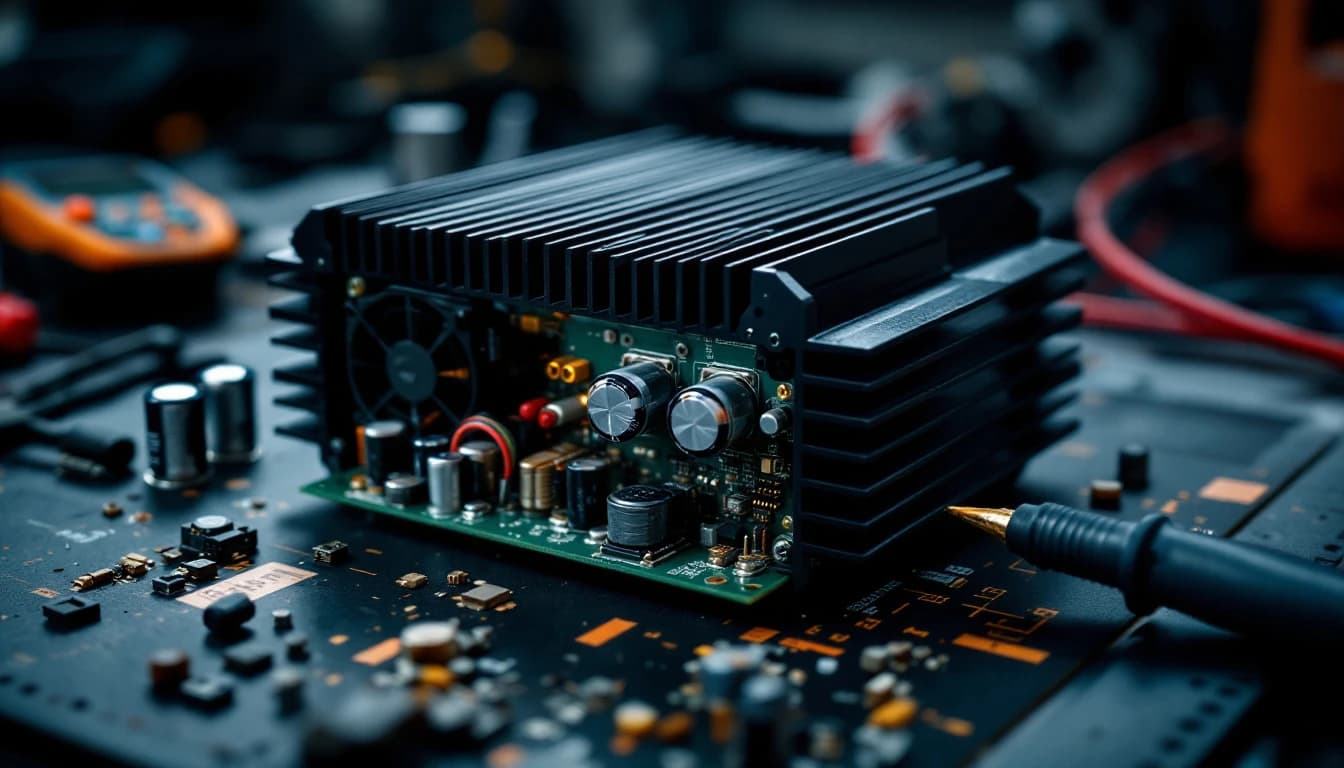
Multi-brand
from $549Generator Inverter Repair
Engine runs, no AC output? The inverter unit is the most expensive part in the generator and the one Honda only sells complete. Board-level repair with a written cause-of-failure, from $549.
3–5 business days in lab · Buy online now →
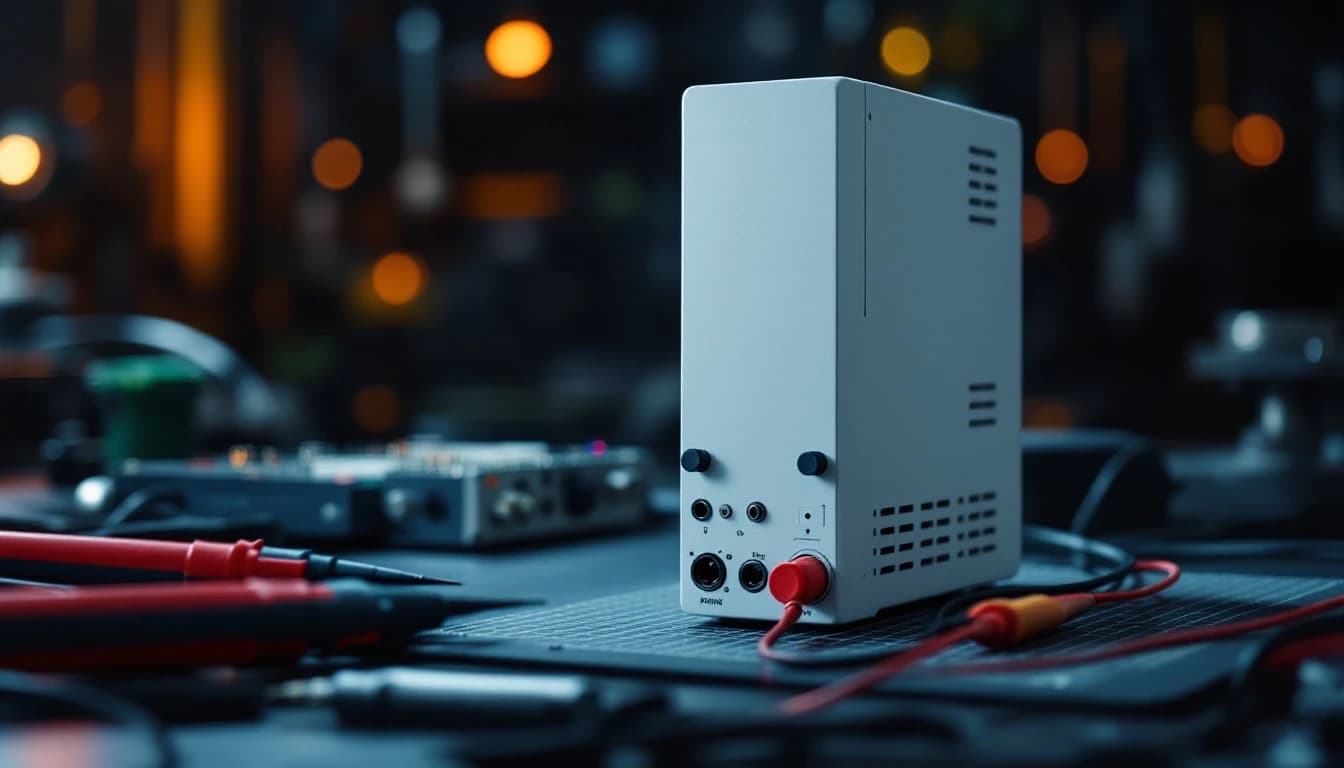
Multi-brand
$349PLC Power Supply Repair
A dead rack is usually a dead power supply — and power supplies repair beautifully. Flat $349, load-tested before return.
3–5 business days in lab · Buy online now →
Machine down? Let's get it back up.
Start a repair online in two minutes, or send us the part number for a free technician review.
The Fixed-or-Free Guarantee: if we can't repair it, you don't pay for the repair.
Call (817) 799-7332 · 📱 Text us a photo of your unit · Email repairs@controlboardlab.com